
Untrusted stop reasons
The dashboard says the line stopped, but operators and maintenance disagree about the true cause.
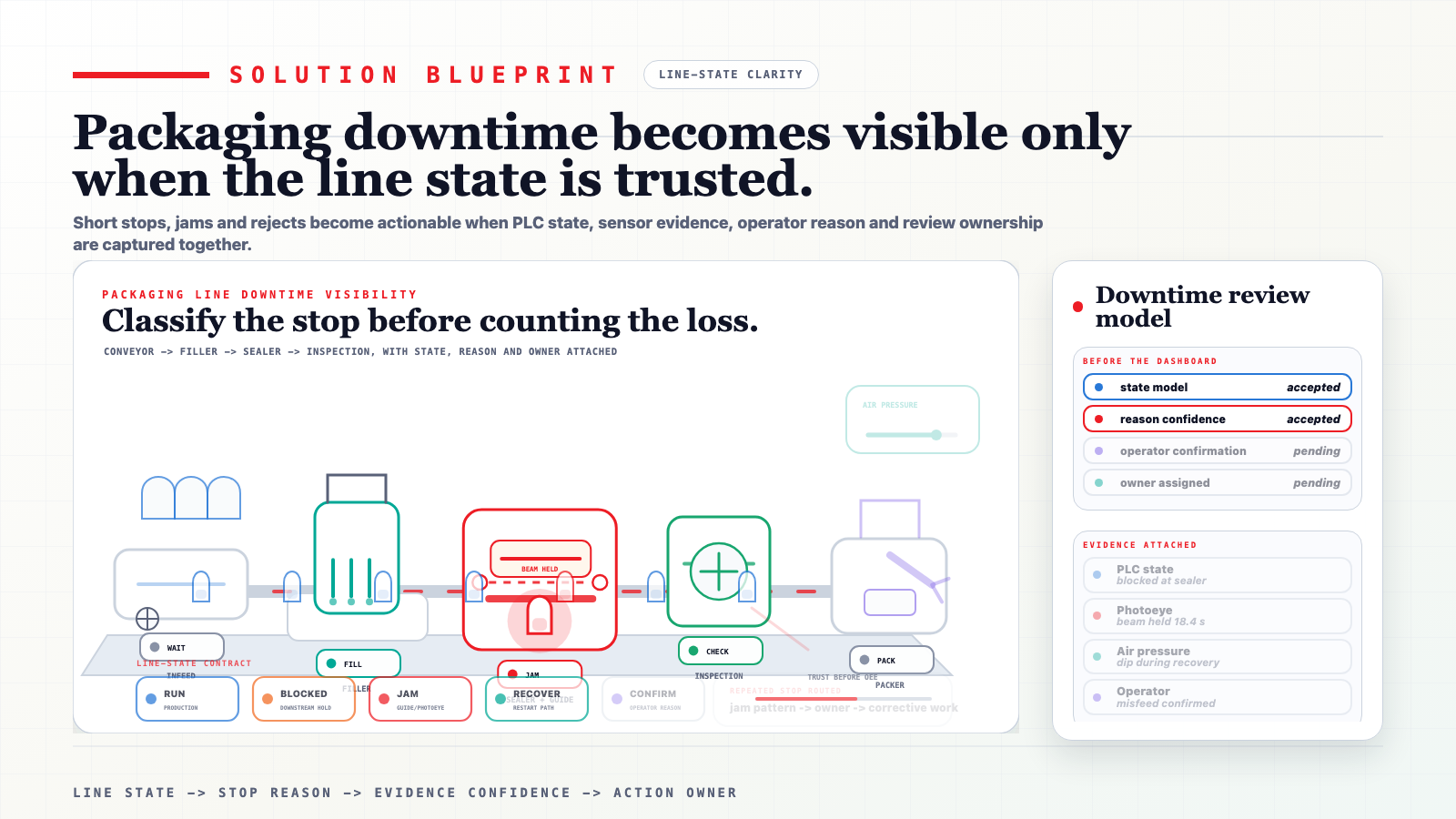
The dashboard says the line stopped, but operators and maintenance disagree about the true cause.
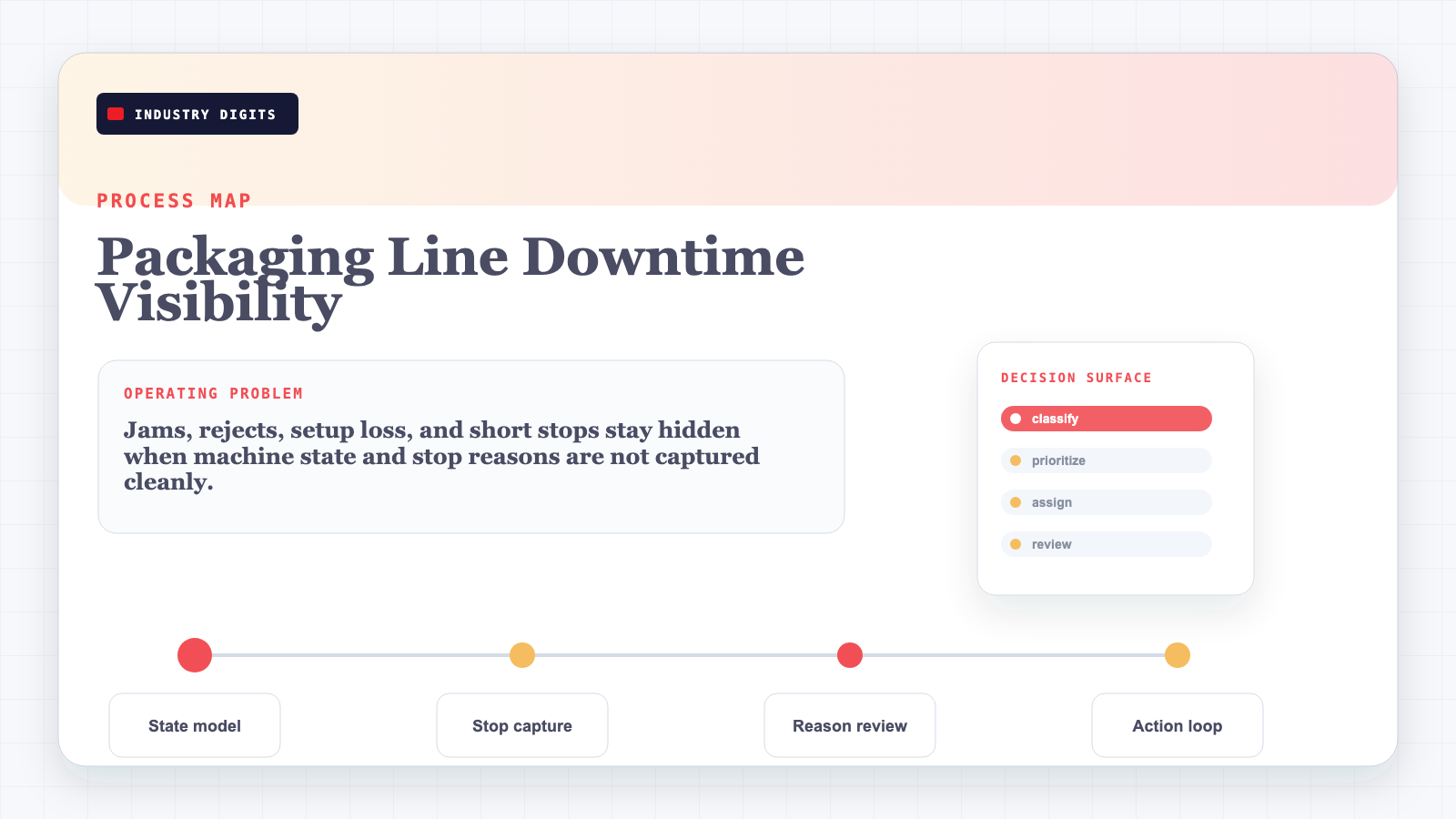
Small jams, sensor trips, and resets accumulate into lost capacity without clear event history.
Operators record reasons after the fact, which weakens root-cause review and shift handover.
PLC and HMI states do not cleanly separate running, held, faulted, starved, blocked, setup, and manual recovery.
These stages are planning ranges. The real cadence depends on plant access, signal quality, risk, and ownership.
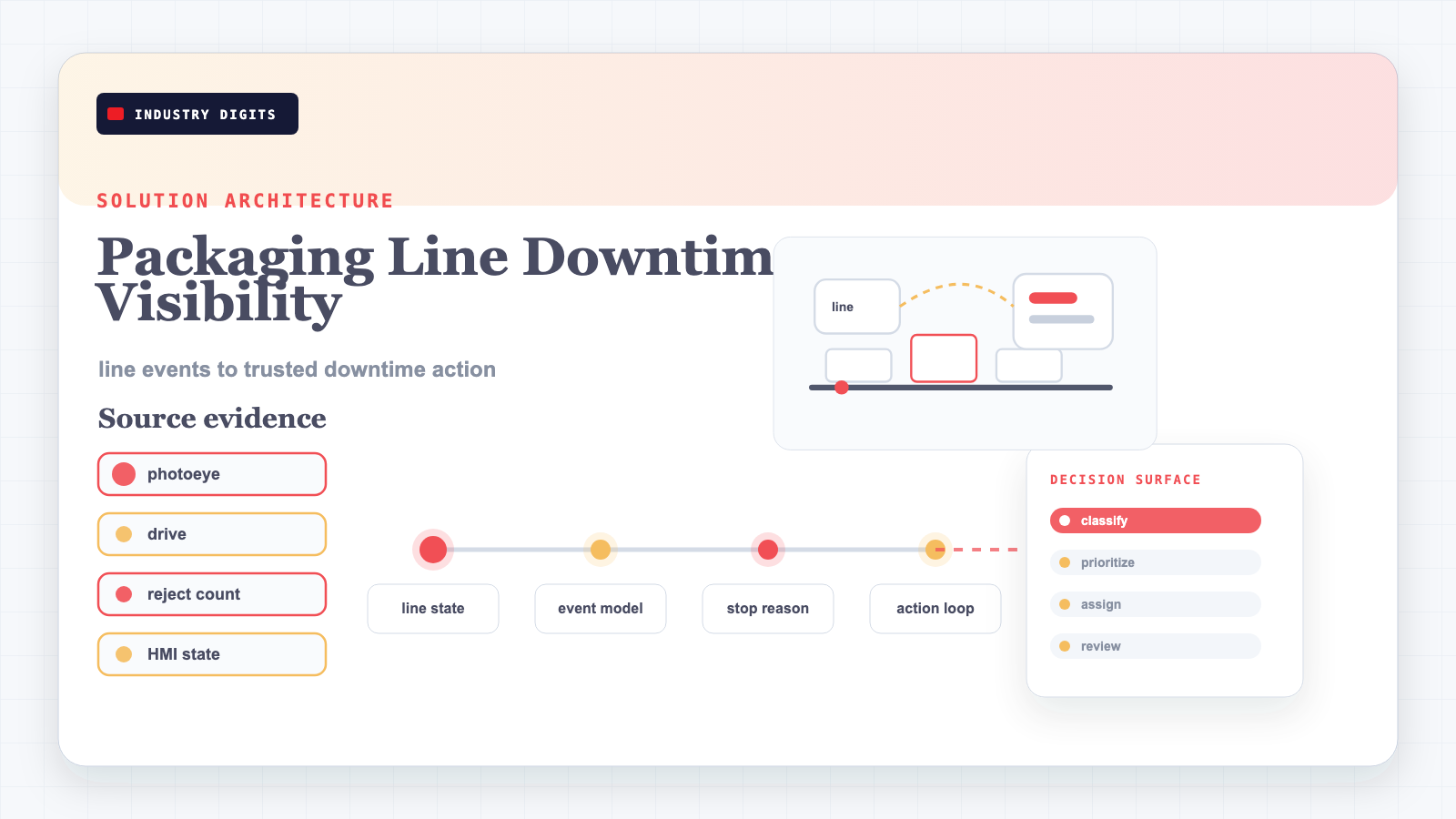
Review PLC/HMI behavior, known stoppages, manual logs, operator language, and event sources for one packaging line.
Capture selected events, reconcile them with operators, and tune reason logic before broad reporting.
Run a shift or weekly review loop and convert repeat reasons into controls cleanup, maintenance, training, or setup changes.
Each signal needs ownership, unit, context, quality, and review logic. Without that contract, dashboards and alerts become fragile.
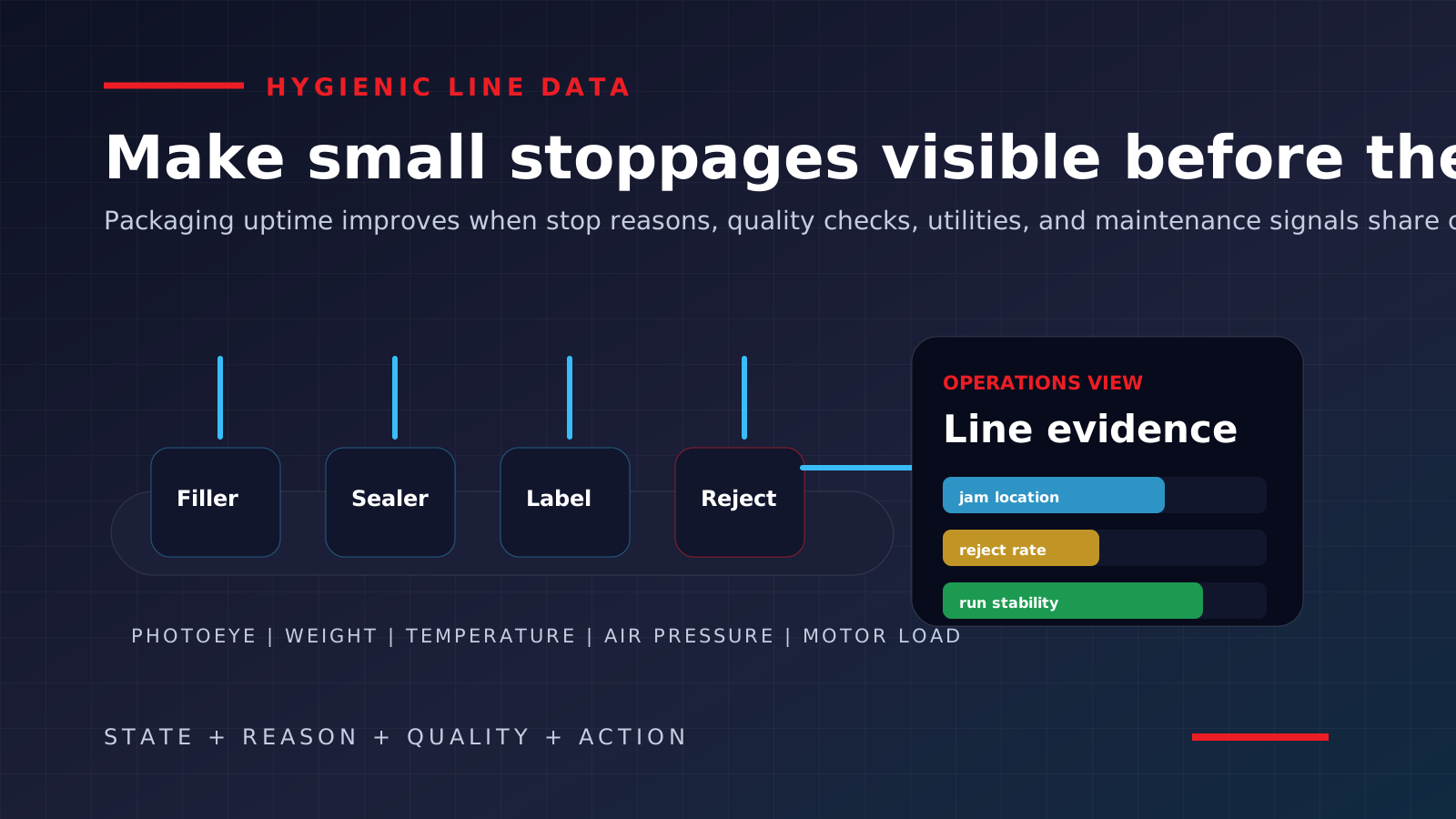
Explain how packaging-line stops become useful only when line state, stop reason, event evidence, and action review are trusted.
Small stops can hide large capacity loss.
State clarity makes stop reasons believable.
Evidence has to map to an action owner.
Visibility earns value when the review loop changes work.
Field guides and standards references that deepen the methods this blueprint depends on.
 Industrial Automation
 How food and beverage plants can use automation, IIoT, and condition monitoring to improve uptime, hygiene, quality, and packaging reliability without overcomplicating operations.
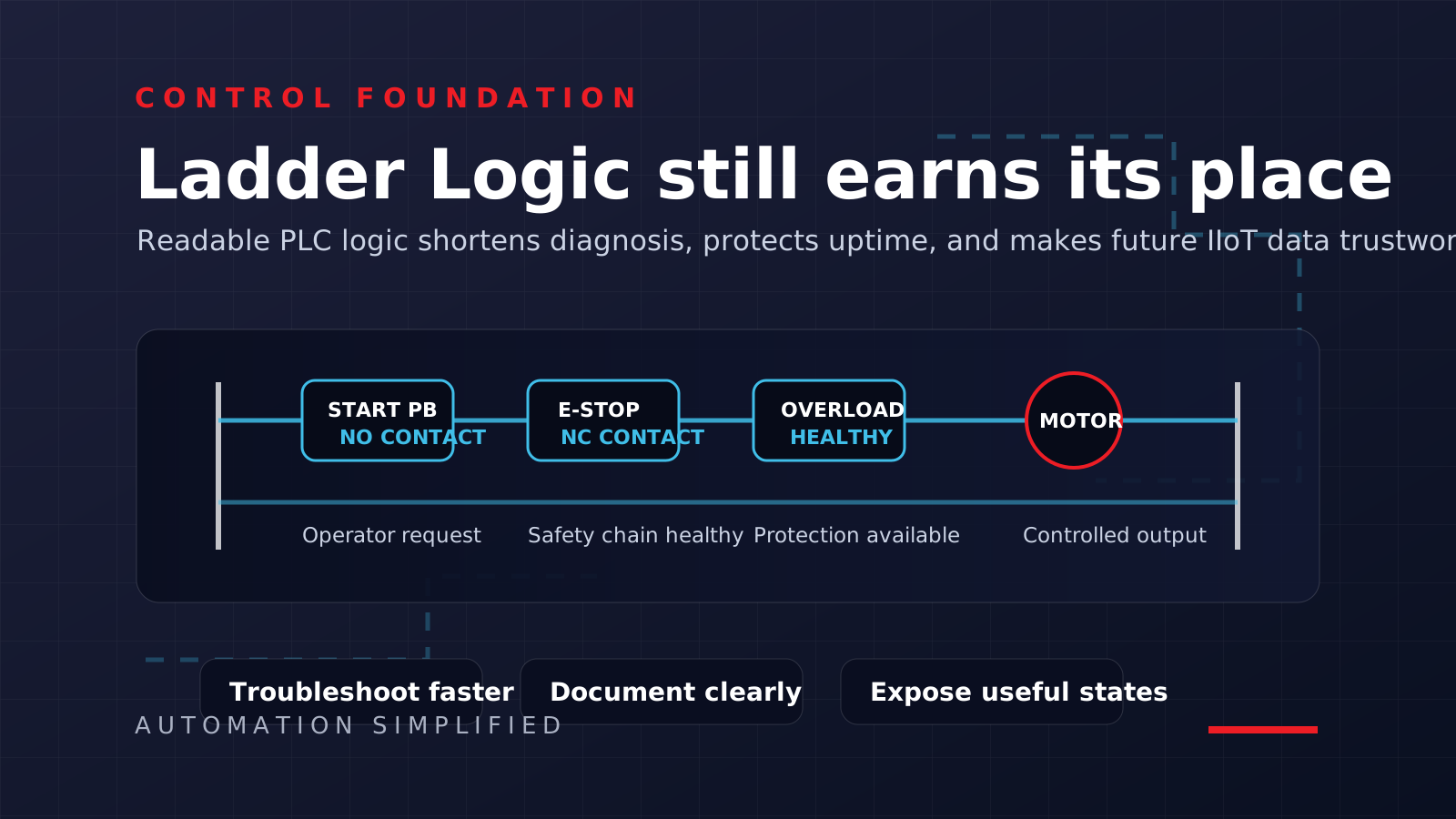 Industrial Automation
 A practical automation guide for leaders who need PLC logic, machine sequences, safety discipline, and future IIoT data to work as one operating system.
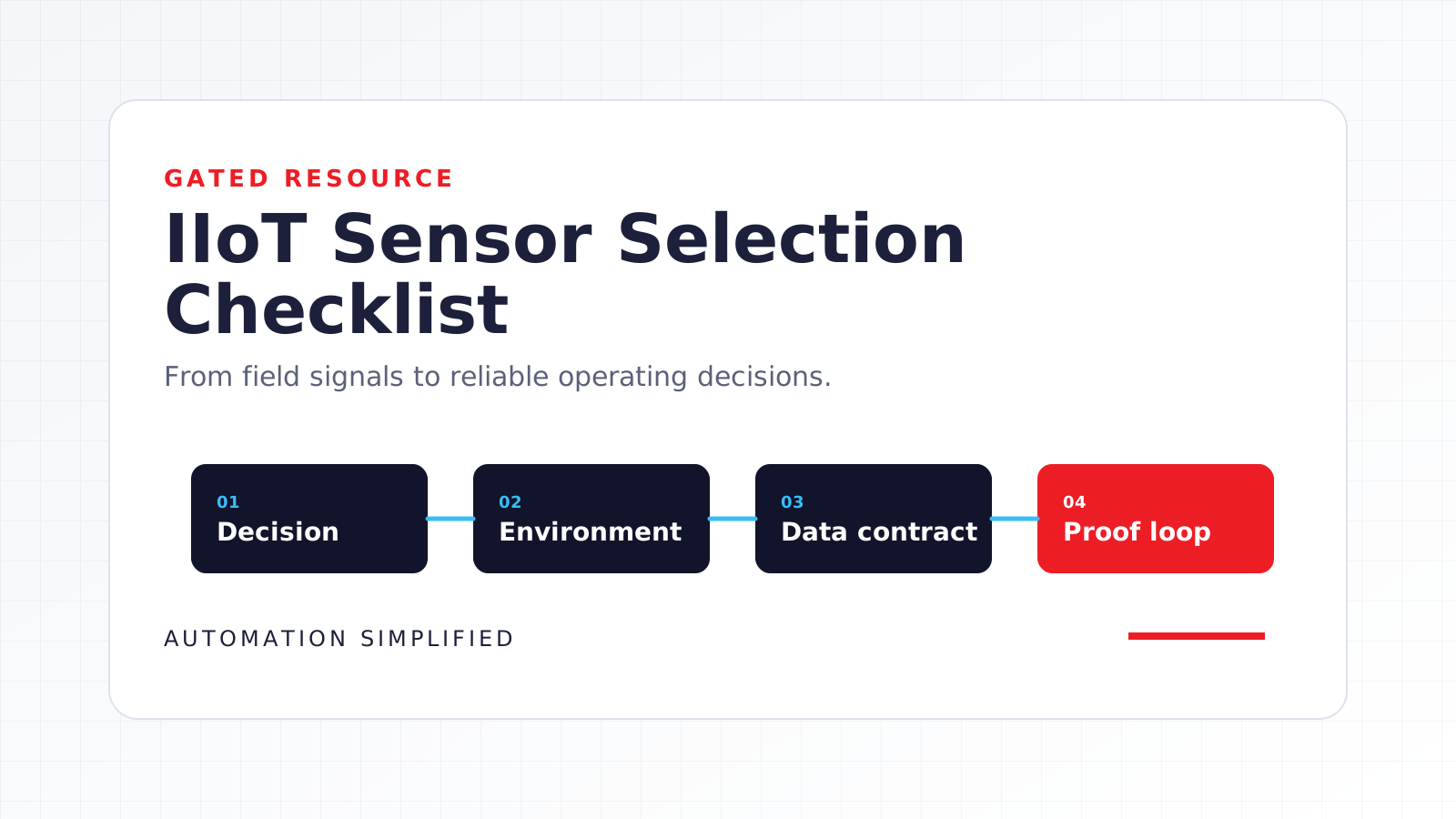 IIoT
IIoT A gated resource for selecting IIoT sensors, transducers, and switches that can survive the plant environment and support reliable operating decisions.
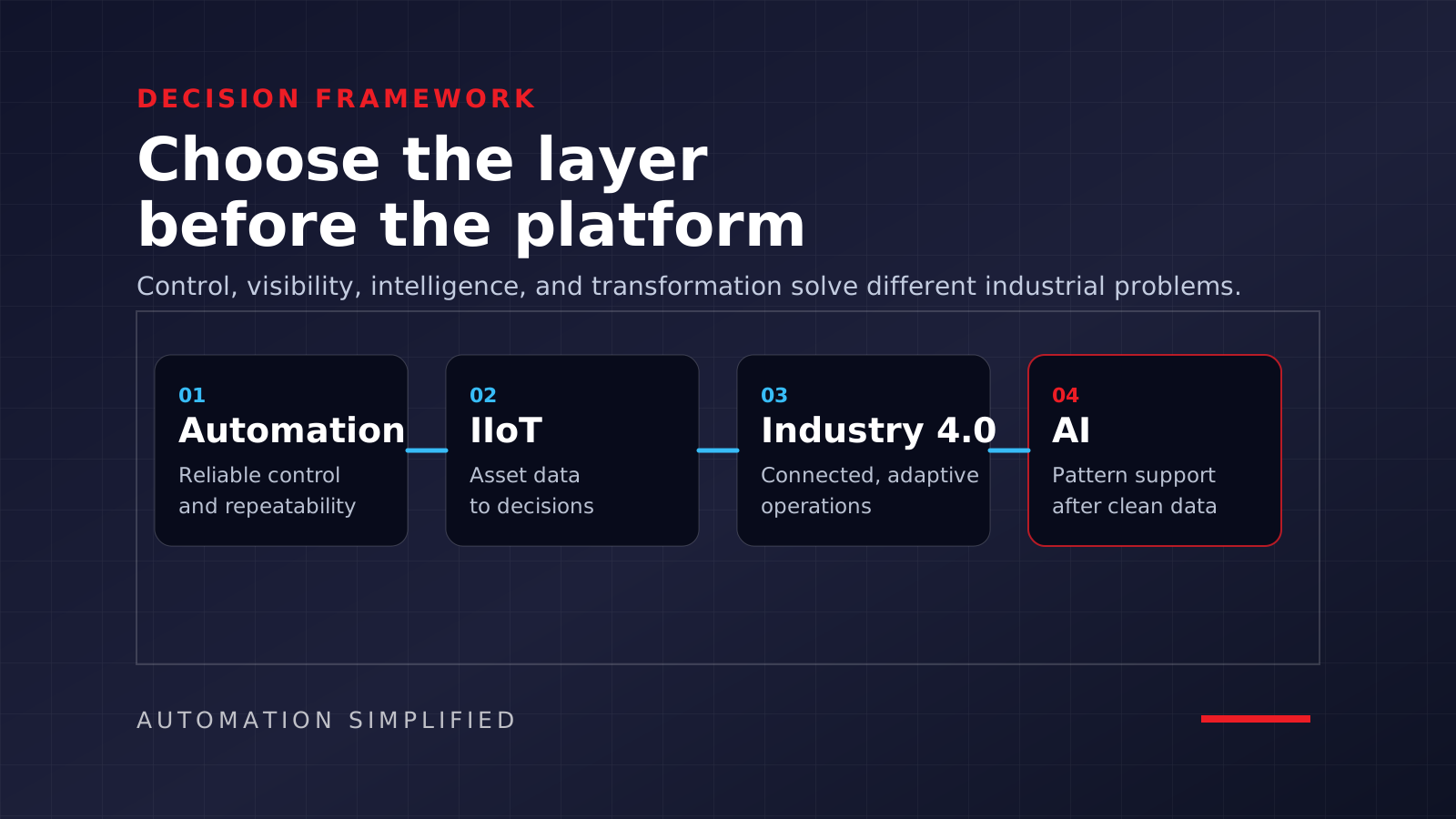 Industrial Automation
 A decision framework for industrial leaders who need to separate control, visibility, data, and transformation before committing capital.
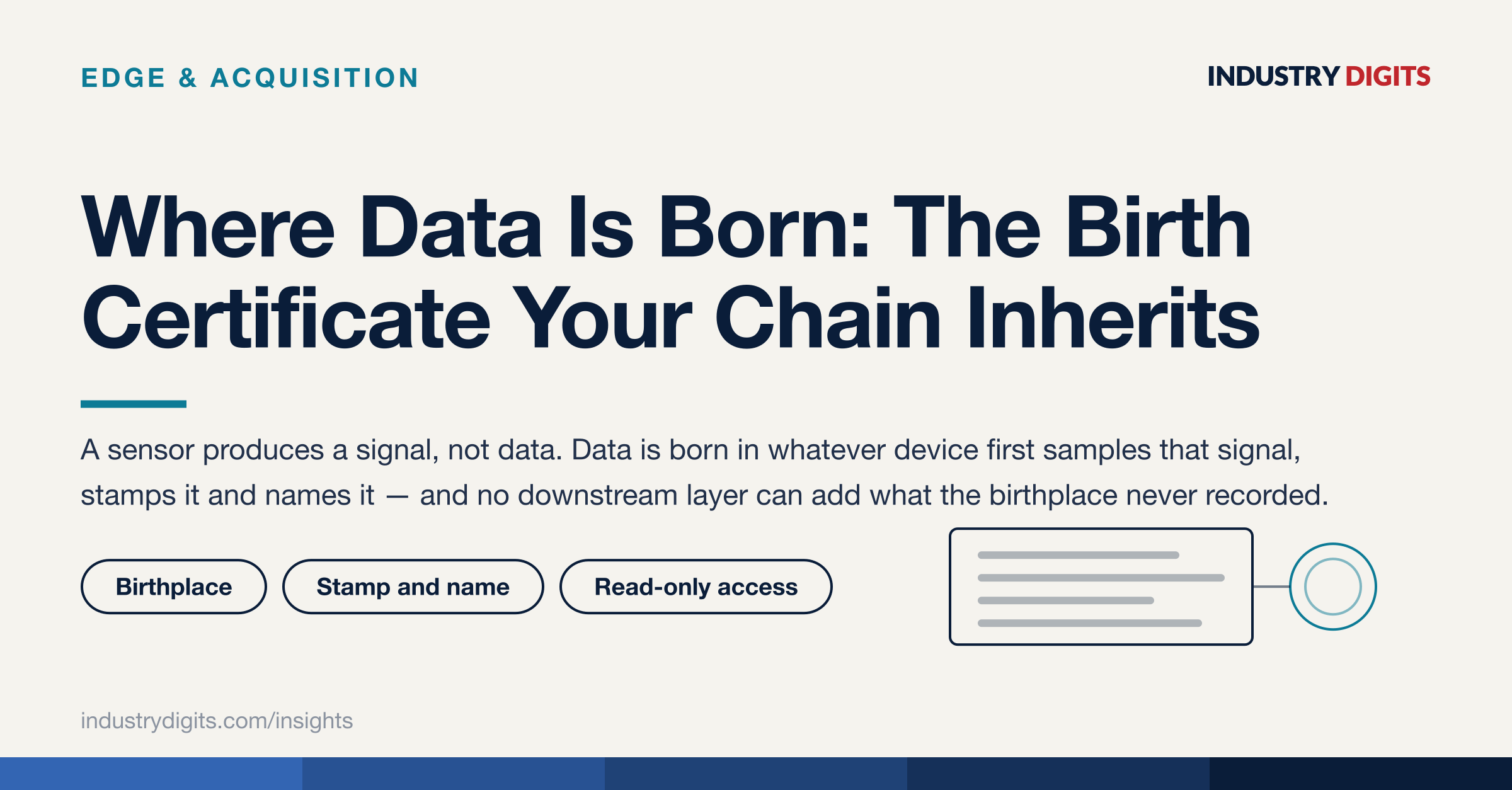 IIoT
IIoT A sensor produces a signal, not data. Data is born in whatever device first samples that signal, stamps it and names it — and no downstream layer can add what the birthplace never recorded. Architecture reviews that start at the historian have already skipped the decisions that matter most.
 Industrial Automation
 Loops running in manual, a backup nobody has restored, and the spare channels in one I/O cabinet. Three diagnostics, one afternoon each, all measuring the distance between what your documentation claims and what your plant can prove.
 Industrial Automation
 Two controllers, two network paths, two I/O drops — and one shared UPS. Why redundant hardware doesn't create a redundant service, what both channels actually share, and the audit that finds it before the outage does.
 Industrial Automation
 A contact named M0.0 tells a technician nothing when the line is down. What maintainable PLC code actually means — structure, naming, traceable constants — and a ten-minute drill that measures it better than any audit.